
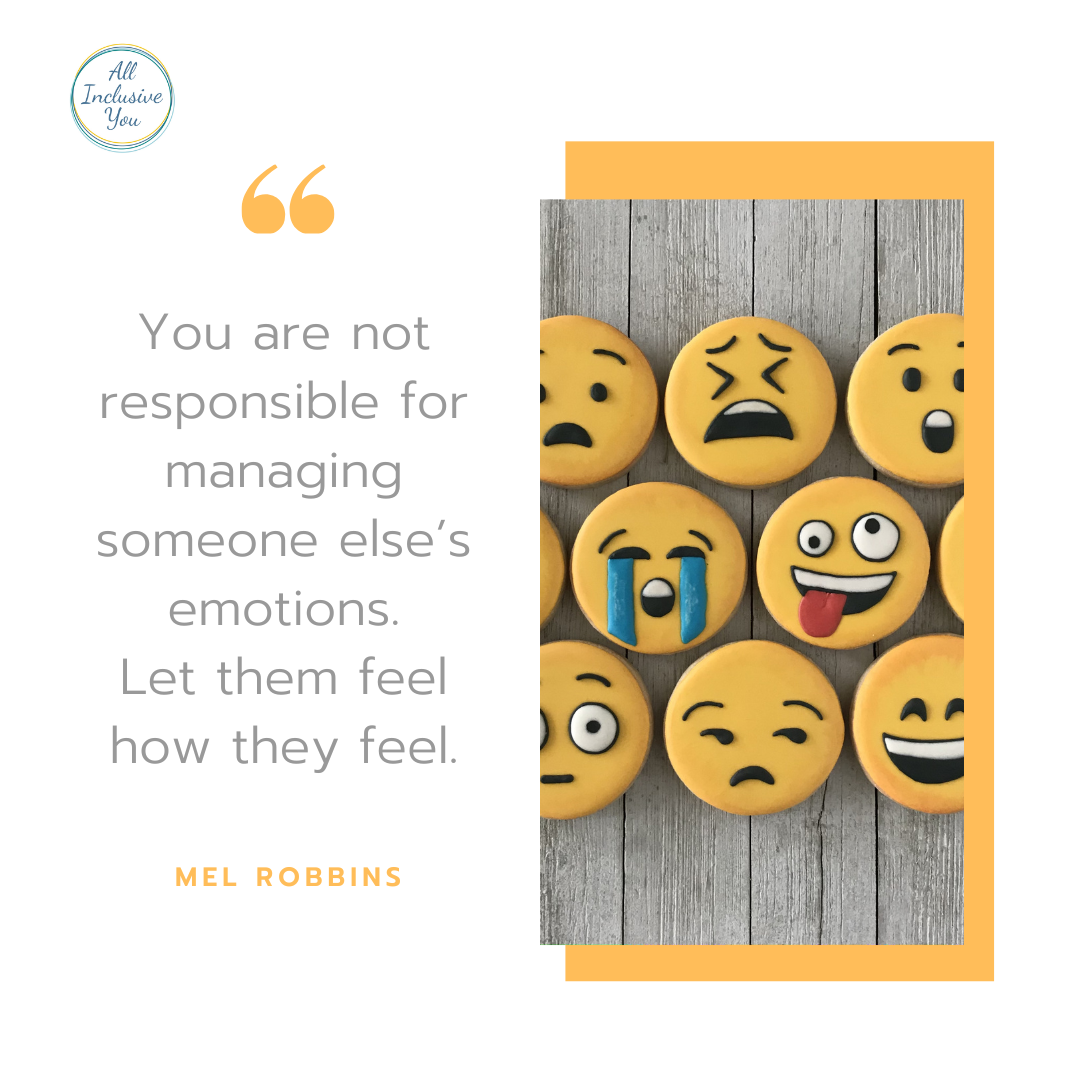
The Fish Died. Is That My Problem?
The Fish Died. Is That My Problem?
So, I'm currently babysitting a fish for a friend who is on vacation. Actually, that's not entirely true. Another friend was babysitting the fish, but then he had to travel, so somehow the fish ended up at my house. And wouldn't you know it, the damn fish died on my watch.
Now I'm faced with a dilemma. Do I run out and buy a replacement fish, hoping nobody notices the switcheroo? Do I tell my friend while he's on vacation and risk ruining his trip? Or do I wait until he gets home and deliver the unfortunate news that his friend's fish didn't survive its little vacation at my house - and then let him tell the family?
Responsibility - What is actually yours?
Here's what's interesting about all of this. My immediate concern wasn't really about the fish (sorry, fish). It was about how my friend might feel, whether he'd be annoyed, whether the fish owner would be upset and it would ruin their vacation, and whether any of them would think I was irresponsible.
And just like that, I found myself trying to take responsibility for someone else's feelings.
Sound familiar?
We do this all the time, and most of us do it with the best intentions. We don't want to disappoint people, hurt their feelings, or be the reason they're upset.
So we start managing situations, making assumptions, avoiding conversations, and sometimes even bending ourselves into pretzels trying to control how someone else might react.
Being considerate of someone's feelings is called empathy. Taking responsibility for those feelings is called trying to control something you have absolutely no control over.
And there's a big difference.
We can be thoughtful, kind, honest, and intentional about how we show up for people. But we cannot control how someone receives information, how much pain (or joy) they experience, or how long it takes them to move through it - even when our intentions are good and we've done everything "right."
This doesn't mean we throw our hands up and say, "Well, your feelings aren't my problem!" That's not exactly the kind of human I'm suggesting we become.
But we have to recognize where our responsibility ends and someone else's begins. Sometimes the most caring thing we can do is stop assuming we know what someone else needs.
I grew up with the Golden Rule: Treat others as you would want to be treated. It's a lovely concept, but I've come to believe there's a better version: Treat others as THEY want to be treated.
Because not everyone is you.
What makes you feel supported might make someone else feel smothered. What you find comforting might make someone else want to crawl out of their skin. And what you think is the perfect solution might not be helpful at all to the person actually dealing with the situation.
Instead of swooping in to save the day, what if we simply asked, "What do you need right now?" "Is there anything I can do that would be helpful?" Or even, "I'm not sure what would be best, but can I offer a couple of ideas?"
It's amazing what happens when we stop assuming and start listening. We give people the dignity of being their own person and we free ourselves from the exhausting job of trying to manage everyone else's happiness.
Which brings me to the bigger point - You Are Not a Victim of Your Own Life.
I've been reminding myself of this a lot lately, because life has thrown some pretty difficult things my way. And while I certainly wouldn't have chosen them, I still get to choose how I respond.
I cannot control losing people I love. I cannot control how other people behave, the decisions they make, or whether life unfolds according to my carefully constructed plans (which, by the way, it rarely does). But I can control what I do next.
Am I reaching out to people who help me feel connected and supported?
Am I choosing coping mechanisms that actually help me heal, or am I just distracting myself from what I don't want to feel?
Am I giving myself space to process what's happening, or am I stuffing it all down and hoping it magically disappears?
Look - I'm not perfect at any of this. Sometimes I make choices that I know aren't particularly helpful, and sometimes I'd really prefer to blame the circumstances or other person for making things so difficult. But I keep coming back to one important reminder: I am not a victim of my own life.
And neither are you.
Your boss might drive you crazy. Your partner might irritate you, your kids might refuse to listen, your family might push every button you have, and your friends might not understand what you're going through.
And yes, sometimes people genuinely behave badly, and sometimes life is just plain unfair.
But we get ourselves into trouble when we start believing that our happiness, success, or fulfillment depends on those people changing or our circumstances magically improving. When we do that, we hand over an enormous amount of power.
We tell ourselves, "I'll be happy when my boss stops being such a jerk," or "I'll feel better when my partner finally understands me." We wait for someone else to behave differently so that we can finally feel the way we want to feel.
Well, good luck with that.
Taking responsibility for your life means recognizing that you have choices, even when you don't get to choose the circumstances.
Maybe you need to have a difficult conversation, establish a boundary, or stop participating in a dynamic that isn't healthy for you.
Maybe you need to leave a situation or look at how you're contributing to it. And sometimes, you simply need to accept that someone else is going to be who they are (and then decide what you're going to do with that information).
This doesn't mean cutting everyone out of your life who annoys you. If that were the solution, some of us might end up living alone on a deserted island. It means recognizing that you have far more influence over your life than you give yourself credit for.
And to be clear - Taking responsibility for your life does not mean you have to do everything alone.
In fact sometimes the most responsible thing you can do is admit that you need help. That might mean working with a coach, finding a therapist, joining a support group, leaning on friends, or simply being honest with someone about what you're going through.
There's no award for suffering silently or figuring everything out by yourself. Asking for help isn't giving away your power; it's using your power to get the support you need.
The circumstances you've been handed are not always fair, and they certainly aren't always your fault. But you are where you are today because of the choices you've made in response to those circumstances. And the choices you make moving forward will help shape what comes next.
That's not meant to make you feel guilty about the past. It's meant to remind you that you have a say about what happens in the future.
So do one thing today that puts you back in the driver's seat of your own life.
Have the conversation you've been avoiding. Ask for help. Set the boundary. Make the appointment. Stop waiting for someone else to change before you decide to make a change yourself.
Because that's where your power is. And that's where meaningful change begins.
As for the fish? I'm going to tell my friend who I am covering for and let him decide if he tells the family on vacation. Because I am not responsible for how he (or the family) reacts. I can only tell the truth.
If you're ready to stop feeling like life is happening to you and start being more intentional about how you're living it, this is exactly the work I help people do. You can schedule a free call HERE to talk through where you are.
Because you deserve to enjoy this life you are working so hard for! And I can help.
Cheers to letting go of what's not yours,
Sharon
Where your responsibility begins and ends...
I help women define what they really want in life, so they can let go of their stressors and feel more joy. Which includes clarifying where your responsibility begins and ends so you can feel confident moving forward (instead of exhausted).
It takes support and focus to get clear about what you want going forward. Which is exactly why I offer a free, confidential strategy call you can schedule by CLICKING HERE.
My most in-demand offerings are as follows:
Life Vision Intensive - A 2-hour discovery session to define what a successful and fulfilling life means for YOU. Includes your Life Vision document, a core values exercise, and a 1-hour finalization call. Investment = $399
Coaching Package - Almost a full year of support! Twelve 1-hour sessions approx. every 3 weeks to provide the encouragement, accountability and support to help you define AND reach your goals with more joy and less stress. Includes the Life Vision session for free! Investment = $3,300
Life is too short to spend it feeling stressed, overwhelmed and unsatisfied. I've helped so many improve their happiness, well-being, and success because they chose to schedule a call and take one step towards the life of their dreams. I can help you too.


